



Introduction
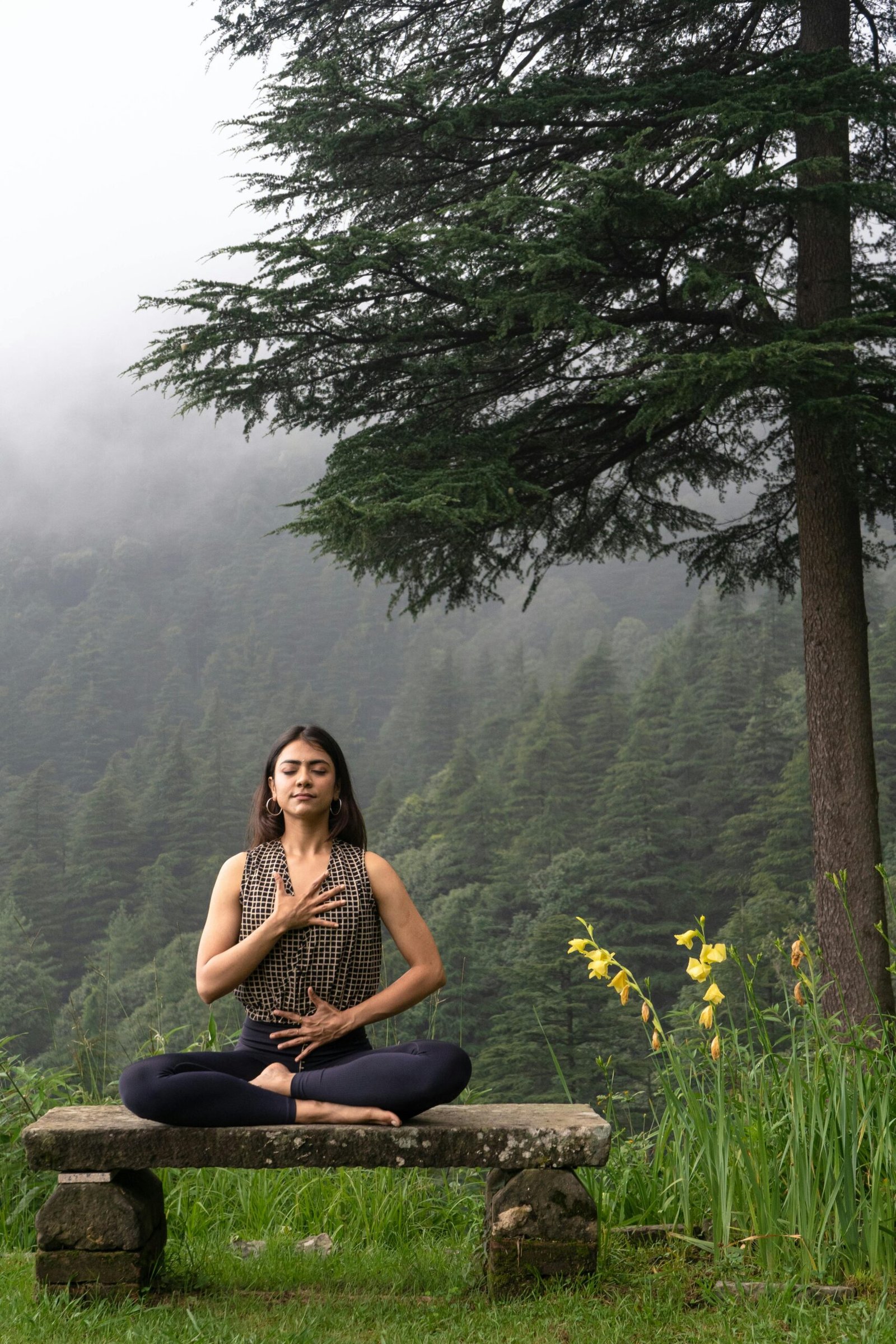
Slow living is a lifestyle philosophy centered on living intentionally rather than rushing through life. It’s about choosing what matters, simplifying routines, and reconnecting with the present moment. In a fast-paced world obsessed with productivity, slow living is a counterbalance that nurtures mental clarity and emotional peace.
Why Slow Living Matters
Constant busyness leads to:
- Chronic stress
- Burnout
- Emotional exhaustion
- Loss of purpose
- Strained relationships
Slow living helps restore balance by shifting focus to what truly adds value.
Core Principles of Slow Living
- Intentionality — choose what matters
- Presence — focus on the now
- Simplicity — reduce clutter
- Connection — with self, people, and nature
- Mindful consumption — buying less, choosing better
Signs You Need Slow Living
- Feeling constantly rushed
- Overcommitting
- Trouble relaxing
- Always multitasking
- Feeling disconnected
Practical Ways to Slow Down
- Start your day without screens
- Simplify your schedule
- Do one thing at a time
- Practice mindful walking
- Minimalist your environment
- Cook and eat slowly
- Create ritual moments
Such as tea time, journaling, or reading.
The Power of Saying No
Slow living requires boundaries. Every “yes” is a commitment of time, energy, and mental capacity. Learning to say “no” creates space for what truly matters.
The Connection Between Slow Living & Mental Health
- Reduces anxiety
- Improves focus
- Supports emotional regulation
- Encourages meaningful relationships
Conclusion
Slow living is not about doing less—it’s about doing what matters most. When you slow down, life becomes more vibrant and fulfilling.