



Introduction
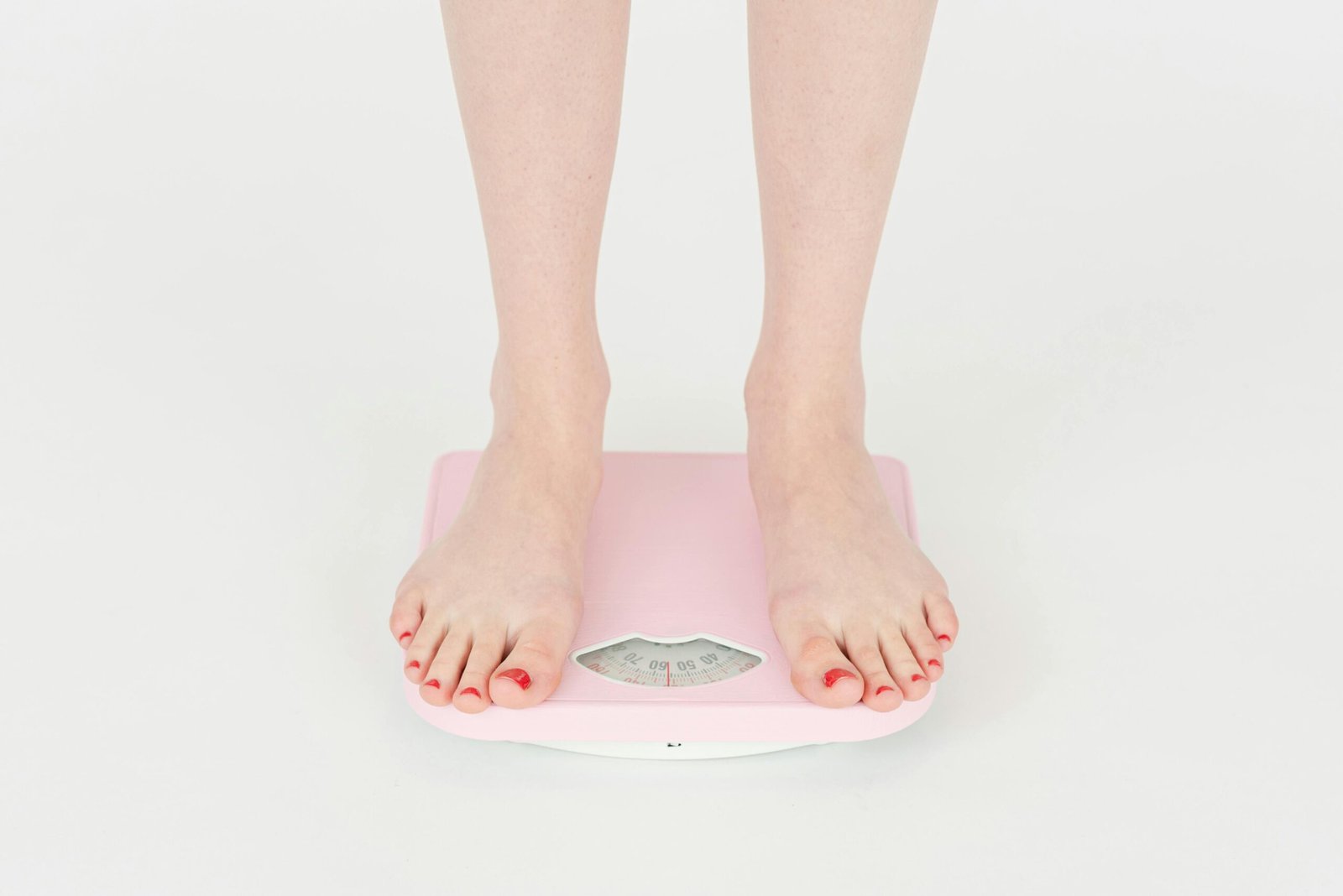
“Weight loss” and “fat loss” are often used interchangeably, but they are not the same—and understanding the difference is crucial for long-term health. Weight loss focuses on the number on the scale, while fat loss focuses on improving body composition, metabolism, and overall wellbeing.
1. Why the Scale Doesn’t Tell the Full Story
Weight fluctuates due to:
- Water retention
- Hormone changes
- Stress
- Glycogen storage
- Digestion
You can lose weight but gain fat—or gain weight but lose fat.
2. What Is Fat Loss?
Fat loss targets adipose tissue, not muscle or water. True fat loss:
- Improves metabolic health
- Reduces inflammation
- Enhances physical performance
- Changes your body shape more visibly than “weight loss”
3. What Is Weight Loss?
Weight loss is simply the total reduction of body mass.
You may lose:
- Water
- Muscle
- Fat
Crash diets often reduce muscle, slowing metabolism.
4. Why Fat Loss Is Healthier
Fat loss:
- Preserves lean muscle
- Improves insulin sensitivity
- Reduces disease risk
- Is more sustainable
Muscle is metabolically active, meaning the more you preserve, the easier it is to maintain weight.
5. How to Promote Fat Loss Over Weight Loss
- Strength train 2–4 times a week
- Eat adequate protein
- Sleep 7–9 hours
- Avoid extreme calorie restriction
- Use progress photos and measurements, not just a scale
Conclusion
Chasing fat loss—not just weight loss—leads to better energy, confidence, and long-term success.